

Pre-Surgical Physical Therapy (Prehabilitation) in New York City
Physical therapy before an upcoming surgery to reduce post-surgical pain & recovery time
Understanding Preoperative (Pre-Surgical) Prehabilitation Physical Therapy
What is Preoperative Prehabilitation Physical Therapy?
Preoperative or Pre-surgical physical therapy, also known as prehab, is the participation in a physical therapy program before an upcoming surgery or procedure. Prehabilitation is becoming a standard 6 to 8 weeks or more prior to surgeries or treatments because it offers a head start with restoring your function and improving your outcomes postoperatively. Since complications routinely arise post-surgery due to the traumatic nature of having a surgery performed, alterations made to your anatomy, the pre-existing condition of your tissues. Prehabilitation physical therapy aims to:
- Decrease pain, reduce inflammation. & improve blood flow in the affected region
- Raise your baseline level of function and resiliency so that you are starting at a higher level after your surgery, making rehab easier post-operatively
- Improve your movement, flexibility, and strength in the areas affected in a planned surgical procedure or treatment
All in effort to reduce complications and improve all aspects of recovery afterward.
How Prehabilitation Prepares Your Body for Surgery and Recovery
Prehabilitation physical therapy is a proactive approach where our physical therapist assesses you for any deficits in range of motion, strength, stability and motor control that may disrupt your ability to recover from surgery or a treatment efficiently. Stronger muscles and tissues not only heal faster but are better able to handle the demands of training and daily life.
We generally apply a whole-body approach since a balanced body’s recovery is more swift, with minimal pain and complication free. Less pain and complications means you’re less likely to need pain relieving medications. In prehabilitation our physical therapist will teach you exercises and stretches that address all issues that surface, many of which you’ll likely revisit after your surgery or treatment. The 2 unique benefits of prehabilitation physical therapy are:
- Your body will be stronger heading into and coming out of surgery
- A trained body retains muscle memory of the exercises learned beforehand, making the rehabilitation recovery process a smoother transition
The fitness conditioning that can be designed into a prehabilitation physical therapy program can offset some of the rigors and detrimental side effects of surgical procedures and treatments. We can design a safe treatment plan with exercises that work with your pain tolerance.
Prehabilitation Physical Therapy : Custom Tailored for Quick Recovery
The time preceding a scheduled surgery is ideal to prepare the body for the challenges that may come afterward.
Prehabilitation physical therapy enables our physical therapists to establish a baseline of performance with you prior to surgery or treatment. What’s learned about your capabilities and injuries forms the foundation of a treatment designed to maximize gains and minimize further pain and injury. Prehabilitation physical therapy isn’t one-size-fits-all, but it’s tailored to your individual needs, accounts, and prepares you for specific challenges that may arise after a given procedure to facilitate certain outcomes, such as:
- Understanding your surgical procedure and what to expect afterwards (what can/can’t do)
- Reducing pain, swelling & loss of motion
- Improving muscle and neuromuscular activity
Building Strength, Function, and Readiness for Recovery After Surgery
An area of the body that undergoes surgery generally experiences a loss of strength, range of motion and function. Should swelling ensue, the neighboring muscles are prone to atrophy (loss of strength and size), and joint restriction (loss in flexibility and motion). The injury site’s neuromuscular system that connects nerves and muscles which control movements can be damaged resulting in diminished muscle activation and awareness of the area in space. To counter, Prehabilitation physical therapy involves:
1
Structuring an exercise program
2
Preparing you for your daily commuting
3
Recommending assistive devices
Undergoing surgery can be a physically intense activity. If you’ve not been trained beforehand, most people will have difficulty with the physical demands and stresses placed on the body. All physical challenges require training and preperation to achieve a successful outcome, be it for running or a surgical procedure.
5 Components of a Prehabilitation Physical Therapy Program
Our goal is not just to help you feel better, but to help you move better for the long run.
A comprehensive assessment by our physical therapists identifies weaknesses, strengths, and specific needs. This forms the guidelines of an individualized prehabilitation physical therapy plan.
Prehabilitation physical therapy typically includes exercises targeting muscle groups neighboring or related to the injury site. For example, knee surgery is supported with core, hip, knee, foot/ankle strengthening exercises and more.
Research has documented the direct relationship between cardiorespiratory health and surgical recovery; specifically, cardiovascularly fitter patients have greater resilience to withstand and endure the surgical stress response, a complex neuroendocrine–metabolic & inflammatory–immune process. Cardiovascular fitness is essential for surgery readiness and aerobic exercises (low-impact) like walking can improve cardiovascular fitness.
Joint flexibility and mobility is crucial to avert stiffness and promote circulation.
Prehabilitation physical therapy provides education about what to anticipate in recovery, foreseeable challenges, and how to best cope with and manage them effectively.
Research Supporting the Benefits of Prehabilitation Physical Therapy
Fitness for Surgery
Knee / ACL Surgery
Hip & Knee Surgery
Fitness for Surgery
A study titled Prehabilitation: making patients fit for surgery – a new frontier in perioperative care documented that patients who engaged in a personalized prehabilitation physical therapy program involving high-intensity endurance exercise prior to an elective major abdominal surgery had fewer post-surgical complications compared to patients who received standard care, due to their increased aerobic capacity.
Knee / ACL Surgery
For those facing knee / ACL (the anterior cruciate ligament) surgery, research has determined patients who did a 6 weeks of prehabilitation physical therapy prior to undergoing total knee arthroplasty had greater improvements in reducing pain and swelling while and returning muscle activation range of motion functionality faster after surgery, compared to those in a control group. Additional ACL research has concluded prehabilitation physical therapy of progressive strengthening and neuromuscular training maximized long term functional outcomes with ACL surgery and should be considered as an addition to the standard of care after ACL surgery.
Hip & Knee Surgery
The Journal of Bone & Joint Surgery published a study that determined preoperative physical therapy or prehabilitation for hip or knee arthroplasty, a surgical procedure to restore the function of a joint, resulted in a 29% decrease in the need for post-acute care (recovery after the surgery).
What Our Clients Think
“I have had an excellent experience at Perfect Stride following foot surgery. It’s a well organized practice and a friendly and comfortable environment. Megan is an outstanding therapist. She is thorough, great at identifying key issues and explaining things thoroughly, and follows up continuously. I highly recommend her and Perfect Stridewas nothing short of excellent. I would highly recommend Perfect Stride to anyone in need of physical therapy, especially athletes.”
(5 Star Google Review)
– Regina L
We help clients both prepare & recover from many surgical procedures here at Perfect Stride. Get in touch to find out more.
- Shoulder Labral Repair
- Bunionectomy
- Biceps Tendon Repair
- Laminectomy
- Spinal Fusion
- Spinal Decompression
- Ulnar Nerve Transposition
- And many others ...
- Carpal Tunnel Surgery
- PCL/MCL/LCL Repair
- Achilles Tendon Rupture Repair
- Knee Arthroscopy
- Pectoralis Tendon Repair
- Knee Meniscectomy
- Patellar Tendon Repair
Pre Operative Physical Therapy Improves Recovery Following Many Surgical Procedures
Why pre-hab? Studies have shown that participating in physical therapy before surgery can help to mitigate muscle atrophy (loss of muscle size), improve post-surgical outcomes and even assist with returning to sport and prior level of function. Your physical therapist at Perfect Stride will also discuss what to expect immediately following surgery, and ways to help improve your recovery timeline. We also always talk about the “do’s” and “don’ts” following surgery.
Who Can Benefit from Prehabilitation Physical Therapy?
Surgery and other treatments can go a long way and be enormously helpful in repairing the body. But these procedures alone in and of themselves won’t increase your strength, flexibility or mobility. Those things will require work, so physical fitness improvements you gain before medical procedures profoundly increase your chances of a swift and successful recovery. The most common elective procedures treated with prehabilitation physical therapy are:
- Rotator cuff or total shoulder repair
- ACL & MCL repair
- Meniscectomy & meniscal repair
- Total knee replacement
- Total hip replacement
- Foot/ankle surgery
- Spinal Surgery
- Hand or wrist repair
While prehabilitation physical therapy plans are individualized to the needs of the person and the procedure they are receiving, here is a closer glimpse of some other general health issues treated with prehabilitation care:
Pelvic Floor Prehabilitation
Knee Surgery Prehabilitation
Pelvic Floor Prehabilitation
Both women and men anticipating pelvic surgery can benefit from a strengthened pelvic floor and proper muscle function prior to the date of their procedure – the earlier the prehabilitation, the better the outcome. Strengthening proper motor control and muscle function can improve all aspects of pelvic health (bowel, bladder, and sexual function). It’s important to know prehabilitation for a pelvic floor surgery goes beyond the pelvic floor and involves strengthening of the lower abdominal muscle (transverse abdominis), low back muscle (multifidus) and diaphragm (breathing muscle) and getting them working uniformly as a team modulating and controlling pressure in the pelvis. We’ll make sure a previous neck injury isn’t impacting how you carry your pelvis or if a hip replacement is impacting your pelvic floor.
Knee Surgery Prehabilitation
Generally, knee replacement surgery is a result of severe Osteoarthritis (OA) and the patient has been coping with pain and stiffness symptoms for years prior to the scheduled surgery. Consequentially, secondary issues like muscle weakness, restriction in joint range, inflexibility, muscular tension, and a lower exercise tolerance sets in. Research has shown prehabilitation can improve flexibility strength, balance, motion, and overall physical health before knee replacement surgery. This translates to getting home after surgery sooner, reducing recovery time, and lowering overall rehabilitation expenses. Generally, prehabilitation includes the following exercises: heel raises, leg slides, knee extensions, hamstring stretches, and cycling on a stationary bike and results in reduced post-knee surgery recovery time, rehabilitation expenses, and inpatient hospital stay.
Why is Prehabilitation Physical Therapy Important and What are the Benefits?
Prehabilitation physical therapy enables the patient to have an active role in their recovery. While the outcome of any surgical procedure or treatment is unknown in advance, we do know that patients who engage in prehabilitation physical therapy tend to do better after their procedure. Not only does prehabilitation physical therapy prepare you physically for surgery or your procedure, it also helps with the mental preparation for what’s to come. Patients are able to ask questions and put their mind at ease when it comes to the procedure and recovery process, boosting confidence and alleviating any anxiety about what lies ahead.
Prehabilitation physical therapy can help lower the risk of post-surgical complications. Strengthening and building mobility can help keep your joints healthy, your body moving optimally and therefore reduce strain on the surgical site.
Better fitness before surgery enables you to recover quicker afterwards. Prehabilitation physical therapy can accelerate recovery timelines, minimize hospital stays and overall rehabilitation needs.
Commonly after surgery, muscles neighboring the injury site can lose their nerve supply and waste away (muscular atrophy). Prehabilitation physical therapy helps not only build muscle strength but also cardiovascular endurance, all supporting an efficient and swift recovery.
Simply feeling your level best heading into surgery or chemotherapy can alleviate concerns and anxiety while boosting confidence, all contributing to an optimistic and positive medical experience.
What to Expect in a Prehabilitation Physical Therapy Program:
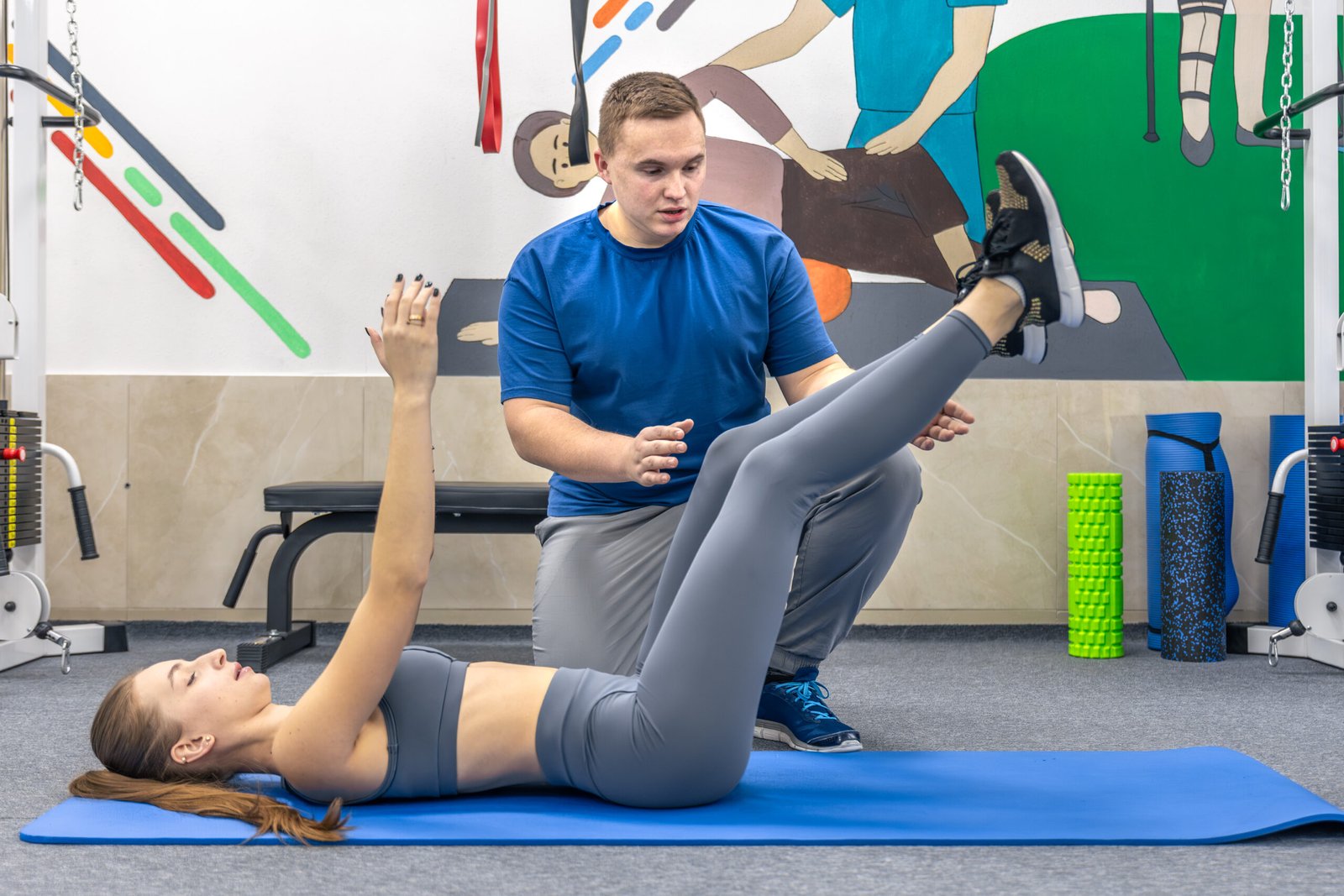
Ideally, your first prehabilitation physical therapy appointment will be 6 to 8 weeks or more prior to your surgical procedure or treatment. During the first meeting we’ll go over your anticipated challenges and goals, identify potential weak spots and foreseeable obstacles that could stand between you and a successful outcome. Starting your rehabilitation prior to surgery gives your body’s muscles an opportunity to learn and memorize the stretches and exercises that will accelerate your recovery afterward.
If you are active, treatment sessions will guide your knowledge on what you can continue engaging in without risking further damage – however you may be asked to cut back on some activities or add others to the mix depending upon your specific situation. If you are more sedentary, starting a walking or exercise program may be ideal to build endurance. While prehabilitation physical therapy programs are custom tailored, most tend to follow a basic structure:
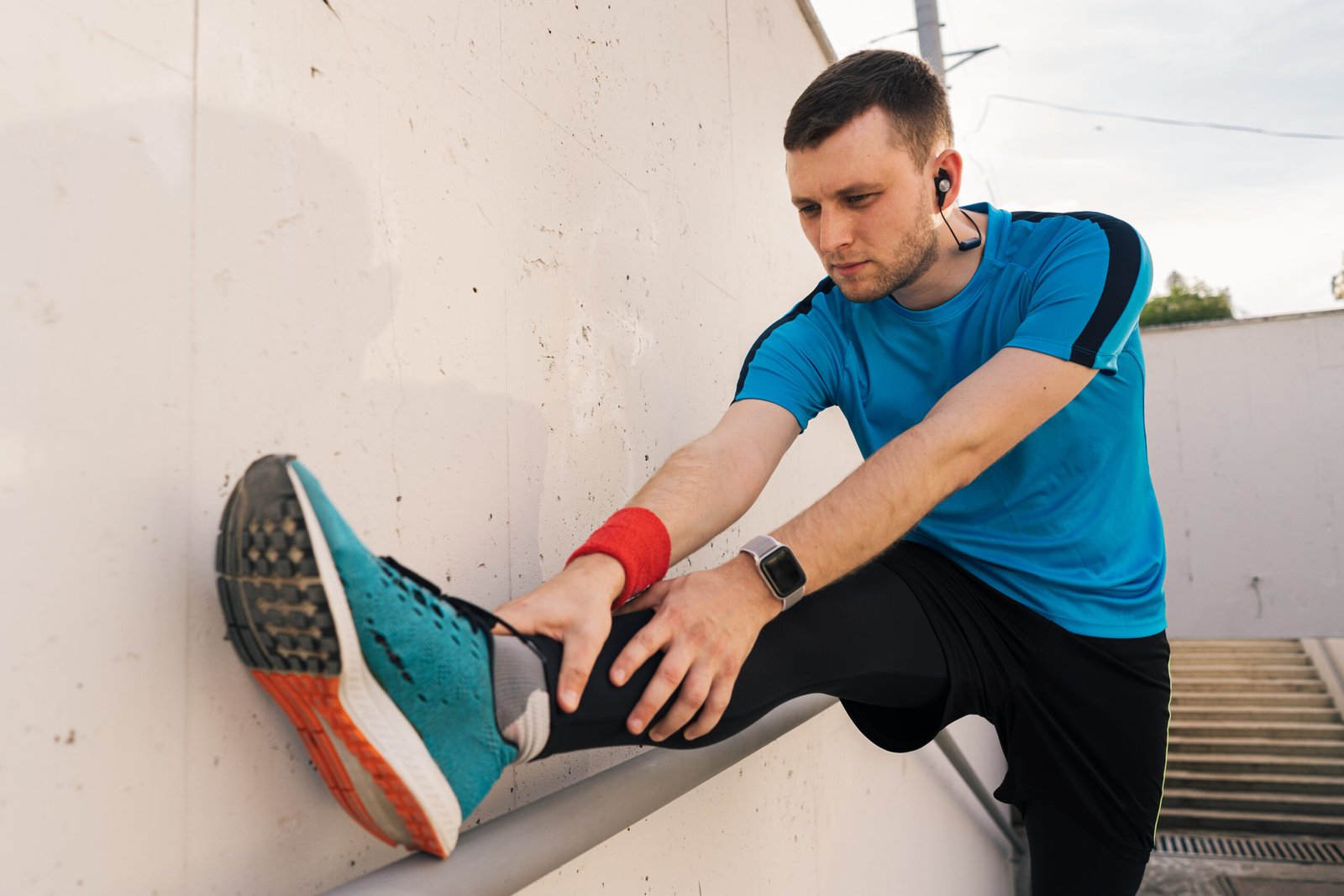
- Warm up that gets your heart pumping, body temperature up and muscles working via walking on a treadmill and/or specific exercises. This will include mobility exercises to help improve performance and also minimize stifnfess that can be common after surgery.
- Strengthening to reduce recovery time. Typically you’ll be performing exercises that strengthen multiple muscles simultaneously. Exercises will be more function focused depending on what the demands of your lifestyle are. In cases where any kind of leg surgery is scheduled, strengthening arms and shoulders becomes important to prepare for the use of crutches or a walker.
- Cool down – Relaxing your heart rate and blood pressure to pre-exercise levels is important to get you back to your daily life in a relaxed state.
Prehabilitation Physical Therapy to Avoid Injury & Pain
Athletes and gym goers of all levels know: Rehabilitation is what you fall back on after experiencing an injury and or pain. However the best way to minimize rehabilitation due to injury is to avoid injury altogether in the first place, which means considering prehabilitation physical therapy (doing stretches, strengthening and stabilizing routines prior to strenuous activity).
Research in the British Journal of Sports Medicine determined routine preventive strength training reduced overuse injuries by half. Other research found that adopting hamstring-strengthening exercises with soccer players reduced their risk of hamstring injury, strains and tears, by 51%. Prehabilitation physical therapy is particularly important if you participate in a repetitive activity such as running, pickleball, or simply the same workout without cross-training. Repetitive activities unsupported without a prehabilitation balancing strategy often create muscle imbalances and weaknesses, ligament and tendon stress, all resulting in you being more vulnerable to getting hurt.
While most people consider physical therapy as a recovery method after a specific injury, prehabilitation physical therapy can minimize your risk of injury and elevate your muscular performance by improving strength, muscle flexibility, balance, postural awareness and endurance.
Prehabilitation physical therapy can be used as a “pre” participation training program aimed to prepare you for the activity or event, such as running a marathon, a 5k or ultra marathon. The body is better able to endure the stresses and strains of strenuous endeavors if it’s prepared for the task at hand prior.