
Pelvic & Running Pelvic Health Physical Therapy in NYC
Pelvic floor symptoms shouldn’t stop you from running, lifting, or living your life. At Perfect Stride, we blend pelvic floor expertise with our signature movement and running expertise to help you feel strong, supported, and in control again.
Who We Help
Built for Runners, Active Women, and Pregnant and Postpartum Athletes
Pelvic floor issues are common, especially in the female athlete and runners, but they’re not something you “just have to live with”.
We’re a good fit if you:
- Experience leakage or urgency when you run, jump, sneeze, cough, or lift.
- Feel heaviness, pressure, or a “bulge” in your vaginal area.
- Have low back, hip, tailbone, pelvic, or genital region pain during activity.
- Are pregnant and want to keep exercising safely.
- Are postpartum and unsure how to return to running or strength work.
- Struggle with constipation, straining, or bowel control.
Conditions We Treat
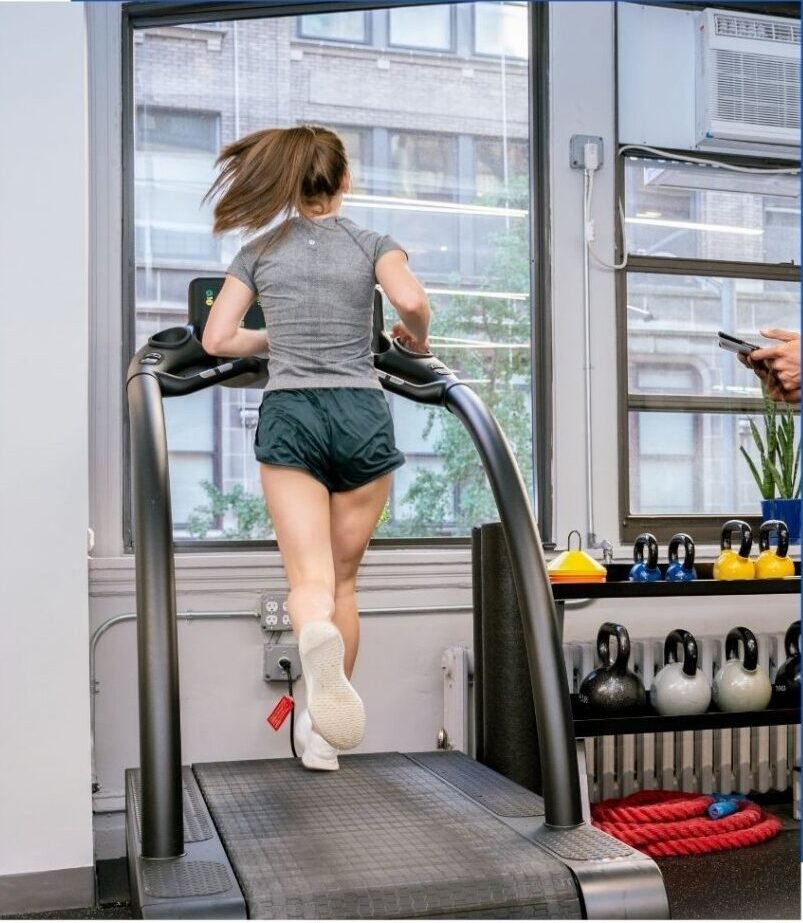
Instead of treating just one muscle, we look at how your pelvic floor is interacting with the rest of your body, from your core and hips to your feet. We explore your movement patterns to see how they are all working together. If you’re experiencing pain with running or are wanting to return to running, we will also look at your running mechanics to further assess what is contributing to your issue.
- Pelvic floor muscle dysfunction (mobility and strength limitations )
- Urinary incontinence or leakage, urgency, frequency
- Athletic incontinence
- Pelvic organ prolapse
- Low back, hip, pelvic and tailbone pain
- Constipation
- Prenatal care and birth prep
- Postpartum care and recovery
- Diastasis recti and core weakness
How Our Pelvic Floor PT Works
More Than Kegels: A Whole-Body, Movement-First Approach.
Thorough Assessment
Pelvic Floor Evaluation
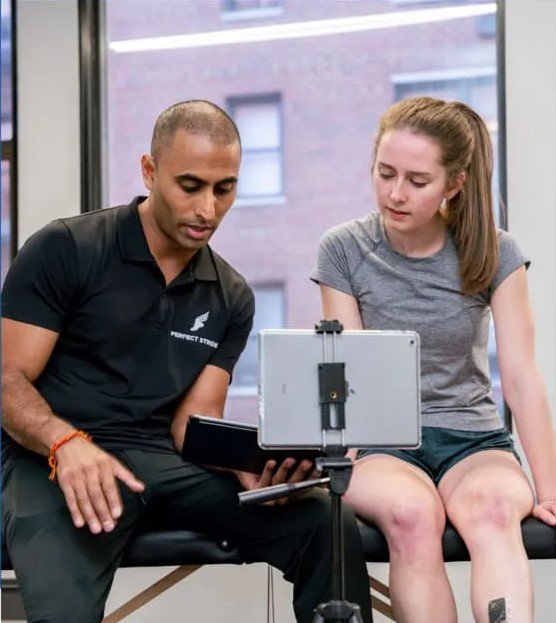
We will assess the mobility and strength of your hips, low back, and lower body as they tend to be closely related to pelvic floor symptoms. We will use the findings from the evaluation to educate you on how these areas may be impacting your pelvic floor function.
Individualized Plan
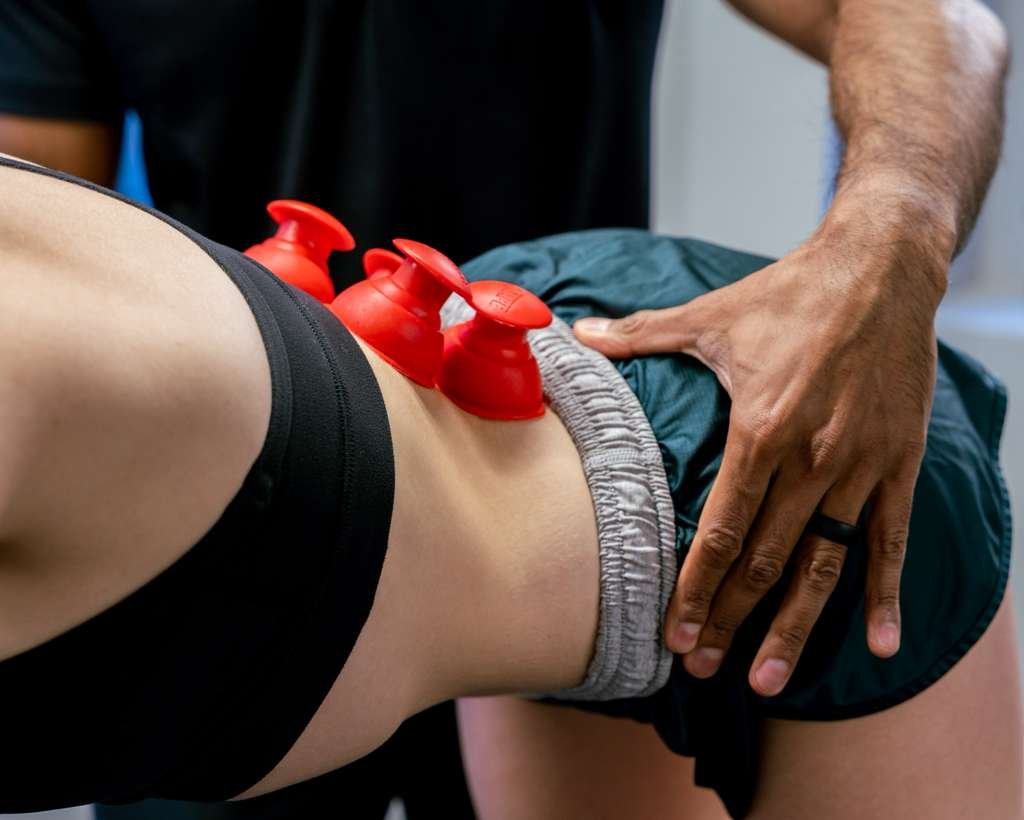
• Soft tissue mobilization and massage of your external pelvic floor, hip, and low back muscles
• Pelvic floor muscle retraining exercises to improve activation and control
• Breathing and pressure-management strategies to improve pelvic floor function
• Training mobility, strength, stability and/or endurance of hips, core, and full body
• Guidance and progressions to return to impact activities and running
• Education on your diagnosis and symptoms and actionable daily strategies
Progression Back to the Things You Love

We understand the demands of training and performance and won’t just say “stop running” without a plan.. We provide a comprehensive treatment that may consist of mobility, strength, breathing techniques, and activity modifications as appropriate to achieve your running and training goals.
We begin by listening to your story, ensuring your lived experience guides our care. From there, we perform a comprehensive assessment of how your breath, trunk, and lower body mechanics integrate to support your pelvic health.
No crowded gym space, no jumping between patients, just focused, individualized care.
Our evidence-based guidance provides you with both the 'how' and the 'why.' You’ll leave with a clear set of tools and a deep understanding of how each exercise connects to your relief and recovery.
Pregnancy & Postpartum Support
Stay Active Through Pregnancy. Return Stronger Postpartum.
During pregnancy, we help you:
- Continue training and provide modifications as your body changes
- Manage common aches such as pelvic pressure, pubic pain, low back and hip pain
- Build strength for the long-term from birth to the postpartum period
Throughout the postpartum period, we help you:
- Reconnect with your core and pelvic floor to improve your recovery and function.
- Address pelvic floor concerns such as pain, pressure, incontinence, and heaviness to improve your quality of life.
- Return to physical activity that includes strength training, impact, and running with a structured plan.
The goal isn’t to sideline you, it’s to help you move with clarity and confidence at every stage.
Pelvic Floor PT Frequently Asked Questions
No. While many pelvic floor conditions affect women, especially during pregnancy and postpartum, pelvic floor PT can also help people of all genders with issues such as pelvic floor dysfunction, incontinence, pelvic pain, low back pain, and hip pain.
In New York, you can usually see a physical therapist directly for a period of time without a physician referral (“direct access”). We’ll review your situation, and if we feel a referral or additional medical work-up is appropriate, we’ll help guide you.
We only offer external pelvic floor exam. We’ll discuss your history and goals first. The external pelvic floor exam will consist of palpation of the external pelvic floor muscles, low back, and hip muscles; assessment of your pelvic floor contraction throughout movements such as kegel, coughing, and sneezing to squatting; and assessment of your hip and low back mobility, strength, and coordination. If an internal pelvic floor exam is warranted for further assessment, we’ll explain exactly what it involves and refer you elsewhere.
For most uncomplicated pregnancies, aerobic exercise, strength training, and pelvic floor–focused PT are safe and recommended. If there are medical considerations or concerns,it is recommended to discuss your plan with your OBGYN. During your evaluation, we’ll review any medical considerations and tailor your plan accordingly.
It depends on your symptoms, your injury and medical history, your load and stress management and your goals. Some people notice meaningful changes within a few visits; others with more complex histories need a longer plan. We’ll discuss expectations and progress markers with you from day one.

Ready to talk about your pelvic health?
If you’re experiencing pelvic floor dysfunction including pain, leaking, vaginal heaviness during daily life or physical activity, you don’t have to ignore it.