
Running Performance

Physical Therapy For Running Performance In NYC

All of your running needs under one roof in a controlled, progressive and evidence-based setting
Run Stronger, Faster, and Injury-Free with Expert Running Physical Therapists

A Performance-Based Physical Therapy Approach for Runners

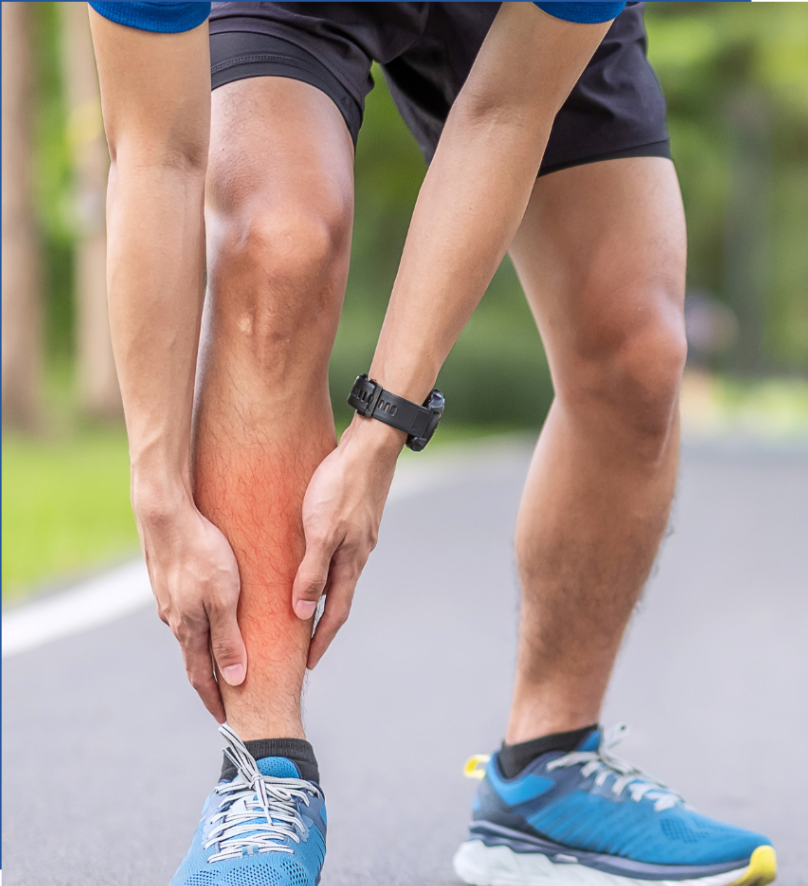
Running places unique demands on the body, and even small inefficiencies can lead to pain, injury, or stalled performance. At Perfect Stride, we specialize in physical therapy for running performance in New York City, helping runners of all levels improve efficiency, reduce injury risk, and return to running stronger than before.

Our Doctors of Physical Therapy are also Road Runners Club of America (RRCA) certified Running Coaches as well as strength coaches. They combine sports physical therapy, strength & conditioning, and running performance to address the root causes of running-related injuries, keep you as active as possible during rehab, and ensure that your long-term health is being addressed. Whether you’re recovering from pain, preparing for a race, or looking to optimize your running mechanics, our individualized approach ensures you receive care that supports both injury recovery and long-term running performance.

How Running Performance Can Make a Difference for You

1
Physical Therapy For Runners
2
Personal Training for Runners
3
Gait analysis
4
Run Coaching
5
VO₂ Max Testing
6
RMR Testing?

Physical Therapy for Runners

Our team is best positioned to help you return to running from an injury as they understand the demands of running, injury and how to get you back to running at your best!

We believe in an active approach to running rehabilitation. This means that we do not promote only resting, we believe that staying active throughout your recovery is necessary and will lead to better outcomes. If you are dealing with an injury, reach out to us so that you can get started with an evaluation with our Doctors of Physical Therapy who are all also Certified Running Coaches.

Personal Training for Runners

Running requires specific mobility, stability and strength demands from your body. Our Doctors of Physical Therapy can assess you and develop a training plan that is unique to your needs as well as the demands of running. We help build more resilient and efficient runners who are prepared to run at their best.

Gait Analysis

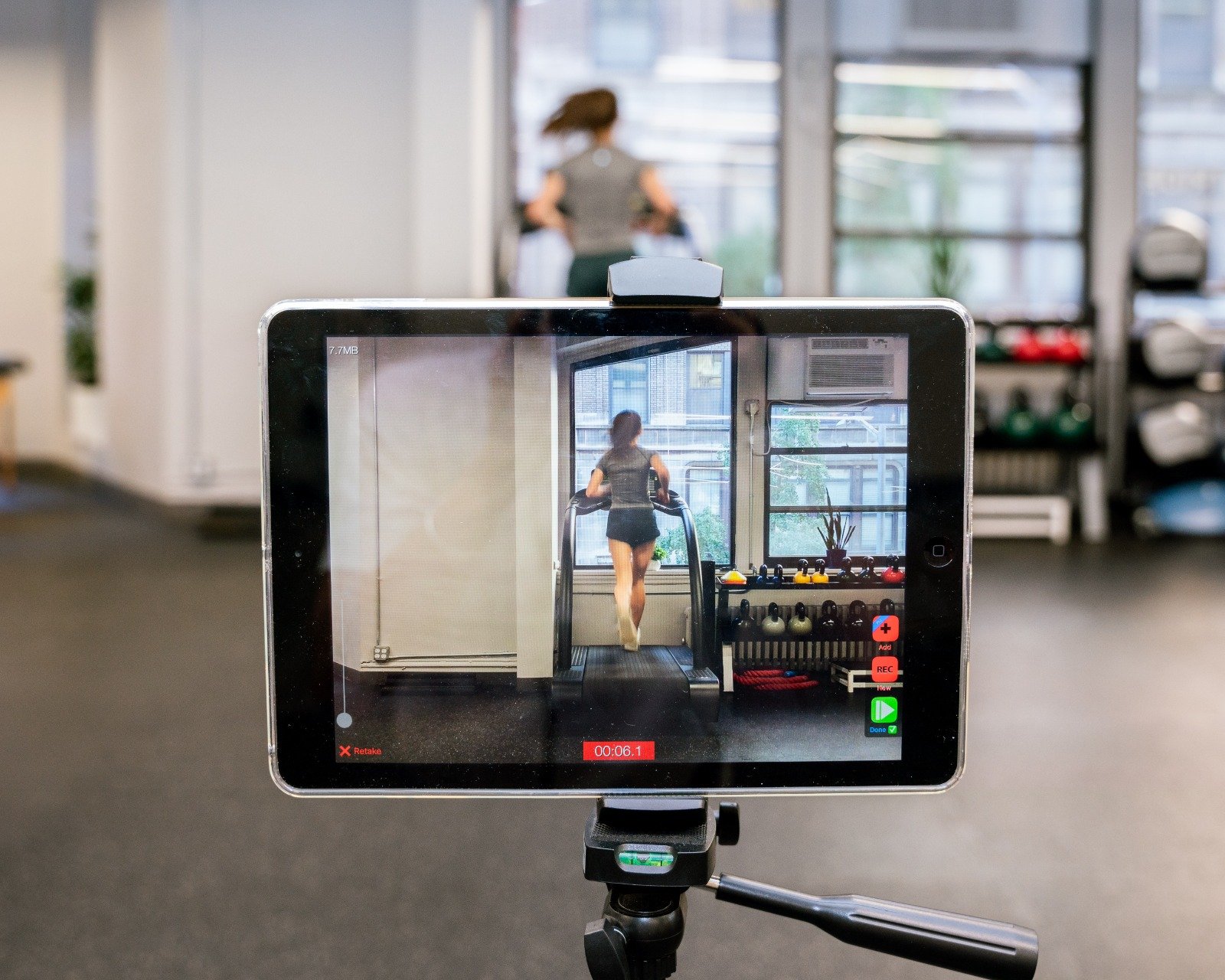
Our team of movement specialists use the latest in wearable motion sensor technology to help understand how your running gait may be contributing to injury or inefficiencies and to help you run faster.

Run Coaching

Our run coaching services give you customized run programming that is specific to your needs. If you have a history of running injuries or are new to running, we have you covered!

VO₂ Max Testing for Runners

At Perfect Stride PT, performance isn’t guesswork — it’s data-driven. That’s why we offer advanced VO₂ Max  testing in NYC to help runners train smarter, recover better, and perform at their peak. If you’re serious about improving endurance, optimizing recovery, and understanding your body at a deeper level, metabolic testing is a game changer.

What is VO₂ Max Testing?

VO₂ Max measures the maximum amount of oxygen your body can use during intense exercise. It’s considered the gold standard indicator of cardiovascular fitness and endurance performance. For runners, VO₂ Max testing helps:

For runners, VO₂ Max testing helps:

Instead of relying on generic fitness watch estimates, our clinical-grade testing provides accurate, personalized data you can trust.

This is especially valuable for:

When combined with sports physical therapy for runners, VO₂ Max testing allows us to create precision-based training and rehabilitation programs.

Resting Metabolic Rate (RMR) Testing For Runners

At Perfect Stride PT, performance isn’t guesswork — it’s data-driven. That’s why we offer advanced Resting Metabolic Rate (RMR) testing in NYC to help runners train smarter, recover better, and perform at their peak. If you’re serious about improving endurance, optimizing recovery, and understanding your body at a deeper level, metabolic testing is a game changer.

What is Resting Metabolic Rate (RMR) Testing?

Your Resting Metabolic Rate (RMR) measures how many calories your body burns at rest to maintain basic physiological functions.

For runners, understanding RMR helps:

Many endurance athletes unknowingly under-eat, which can slow recovery, increase injury risk, and reduce performance. RMR testing eliminates guesswork by giving you personalized metabolic data.

Flexible & Fully Supported

Why VO₂ Max & RMR Testing Matters for Runners

1. Train in the Right Zones
Accurate VO₂ Max testing allows us to define your aerobic and anaerobic thresholds, so every run has purpose whether it’s recovery, tempo, or speed work.
2. Reduce Injury Risk
Overtraining and improper recovery are leading causes of running injuries. Data-driven programming helps balance workload and recovery, complementing your running injury rehabilitation plan.
3. Improve Race Performance
When paired with physical therapy for runners in New York City, metabolic testing enhances performance by aligning biomechanics, strength, endurance, and energy output.
4. Personalize Nutrition & Recovery
RMR testing ensures you’re fueling appropriately for your training demands, helping you recover faster and perform consistently.
5. Track Objective Progress
Rather than guessing whether your training is working, you’ll see measurable improvements in oxygen utilization, efficiency, and metabolic function.

Are you looking to improve your runningperformance?

Running is a popular sport that offers numerous benefits including improved fitness and cardiovascular health, personal satisfaction, mental well being and a sense of community. It’s also a high impact activity in which your body must deal with forces up to three times your body weight with each stride you take. Overuse injuries of the lower body are very common in runners.

We offer a wide range of services that can help you achieve your running goals. We can help you better understand your gait, cadence, foot-strike, and injury potential through the lens of a physical therapist, so you can better prevent potential running injuries. If you’ve already been injured, a thorough running and movement assessment is essential for your rehabilitation and future success.

Some of the more common running injuries we see include:

Book a FREE 15 minute discovery call with one of our Physical Therapists to find out how we can help your recover from injuries like these and get back on track

5 Ways a Physical Therapist Can Help You Achieve Your Running Goals Safely and Efficiently

PERSONALIZED COACHING

As each runner is unique, to optimize performance, runner’s need training programs customized to their individual selves. What works for your running buddy, teammate, or favorite runner won’t necessarily work for you. Sports physical therapists understand the mechanics of the body in motion and how those mechanics work with your unique characteristics when you run. This information allows them to make suggestions to improve your technique and prevent injuries from poor form. Together, you can make a training plan tailored to you that includes a proper warm-up and cool-down, strengthening and mobility exercises, mileage periodization, a training schedule, and more.

WE KEEP YOU ON YOUR TOES

It’s easy to get into a training rut, but doing the same thing repeatedly doesn’t strengthen and condition your body for better performance and in fact, it can cause repetitive strain injuries. Variability is essential to being a well rounded runner that can tolerate all the challenges that come your way. A physical therapist won’t let you settle for the status quo. We can coach you through various running workouts such as Fartlek training, tempo runs, long runs, hill workouts, and varied interval training to name a few. Utilizing these different types of running workouts at different times in your training cycle will have you running faster, more efficiently setting a PR and peaking for race day!
WE DON'T OVERLOOK SOFT TISSUE

It’s easy to get into a training rut, but doing the same thing repeatedly doesn’t strengthen and condition your body for better performance and in fact, it can cause repetitive strain injuries. Variability is essential to being a well rounded runner that can tolerate all the challenges that come your way. A physical therapist won’t let you settle for the status quo. We can coach you through various running workouts such as Fartlek training, tempo runs, long runs, hill workouts, and varied interval training to name a few. Utilizing these different types of running workouts at different times in your training cycle will have you running faster, more efficiently setting a PR and peaking for race day!
WE MAKE YOU SLOW DOWN

That’s correct – sometimes it’s best to ‘slow down’. Everyone needs a break, and a physical therapist knows when it’s time for you to take one. A very high percentage of running injuries are attributed to poor training habits and adding too much running volume too quickly. If you rush your training for an event, you can severely stress your body to the point of injury. A physical therapist will guide your training through a deloading phase to relieve stress before your race or next training block. This is vital for preserving all of your progress, not plateauing and reducing your injury risk.
WE PROTECT YOU FROM INJURIES

Far too often, runners don’t visit a physical therapist until well after they’ve suffered an injury. If only they knew everything we’ve already discussed about how physical therapists help athletes prevent injuries. Also, in a 2019 study done by Bayer et al they found those starting rehab at day 2 after an injury versus day 9 day were found to recover 3 weeks faster! Every runner suffers an injury at some point, but serious injuries due to inadequate training can keep you off the track for an entire season. Thus it’s sensible to work with a physical therapist preemptively to prevent a debilitating injury before you require running rehabilitation services. For many of the best runners, a trusted sports physical therapist is their secret weapon to improving their running and achieving their goals.

What to Expect From Our Running Gait Analysis

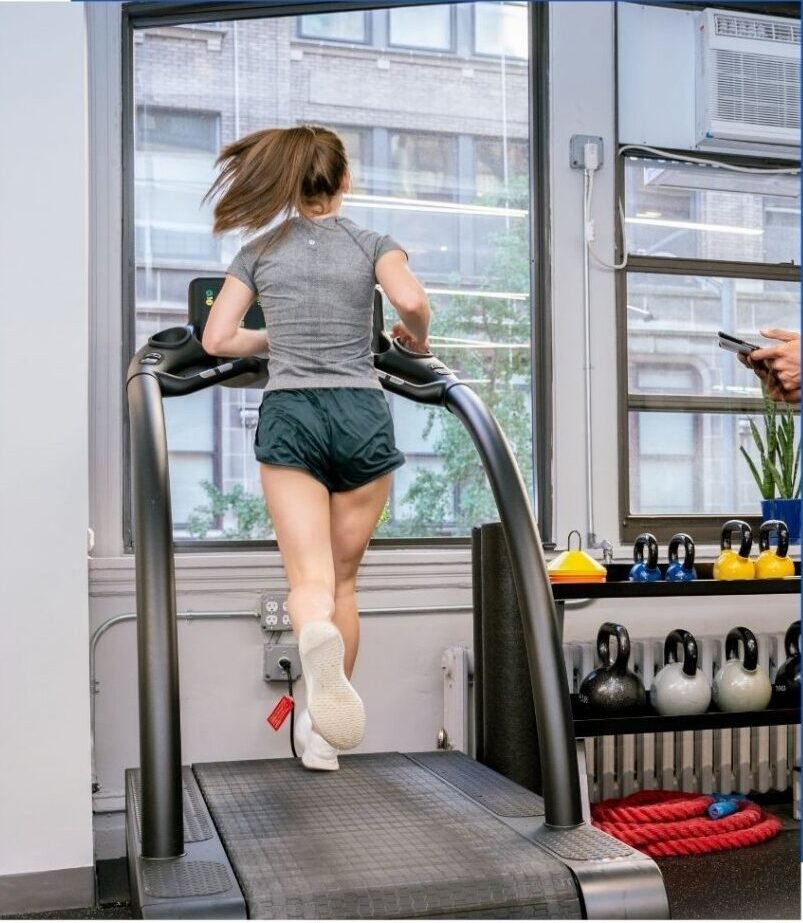
A Physical Therapy gait analysis is best used in combination with a thorough musculoskeletal evaluation to address movement limitations and performance issues. During an initial runner’s gait analysis, you receive:

A comprehensive review of your running history. We listen to you so we can better understand your past, where you currently are and what your goals are a running focused movement examination that assesses the mobility, stability and strength demands needed for running.

Our technology based running biomechanics analysis using our DorsaVi wearable motion sensors and multiangle video capture software.

A recap of our findings and actionable steps that you can take to improve your running technique to run more efficiently as well as exercises to address the main findings from your runner’s movement exam.

“Strength training for runners is mandatory to be running at your best.”

What Our Clients Think

“I would rate the Perfect StridePT team higher than 5 stars if I could. As a professional runner that struggled with injuries for about 3 years, I can honestly say that meeting Vikash and the Perfect Stride team has been a game changer in my career. . . Now that I am running healthy with their help, I still have weekly check ups to make sure that I am doing the proper prehab, and not just rehab.”

(5 Star Google Review)

– Mary Cain

5 Training Tips to Improve your Running Mechanics

1
Cadence
2
Hips Don’t Lie
3
Base of Support
4
Heel Strike
5
Vertical Displacement

Cadence

A recent study published in the National Institutes of Health analyzed the effects of cadence on a runner’s likelihood of sustaining an injury. Studied were 45 healthy runners to assess how differences in cadence affected loading on the hip and knee joints. The findings determined that a quicker cadence “generally leads a runner to strike with the midfoot compared to runners with longer strides,” which can cause pain or injury. Thus an improved cadence can be achieved by making your strides shorter. This will reduce loading on the hips and knees, preventing injury.

Hips Don’t Lie

Much of running is focused on the feet; however, pelvic and hip positioning plays a large role in running, as well. Proper pelvic and hip motor control and stability is aseessed by doing specific hip position tests, like vertical compression and hip extension tests. With the vertical compression test, stand with someone behind you, with that person placing their hands on your shoulders. Have them push straight down. If your hips buckle, it means your pelvic alignment could be in a disadvantageous position for loading (vertical compression forces from running). This can be corrected with motor control, stability and body awareness training with the help of a physical therapist.

With hip extension, kneel in front of a doorway with your back against the door jamb. Your left leg should be on the floor and your right knee should be bent over your right foot, directly in front of you. While you’re in this position, you should naturally have a small space between your lower back and the wall. Tilt your pelvis backward to remove this space. If this is difficult to do, you may have some mobility limitations or motor control restrictions. This can also be corrected with motor control, stability and or body awareness training, with the help of one of our physical therapists.

Base of Support

The National Institutes of Health, published research wherein numerous running metrics were studied through video assessments, including base of support. Base of support is a vital metric to assess, as foot placement is one of the most integral parts of running. It was noted that, as a general rule, “the left and right feet should not overlap in their ground contact location.” There should always be space between foot placement, as a narrow base of support has been known to cause painful conditions, such as tibial stress fractures and iliotibial band syndrome.

Heel Strike

The vast majority of all runners of all levels are heel strikers. It should be noted heel striking uses less energy than forefoot (toe) striking or midfoot (balls of your feet) striking, which can reduce fatigue and unnecessary overexertion injuries. It’s worth noting Medicine and Science in Sports Exercise published a study with the findings that heel strikers were more prone to running-related knee injuries. But mid and forefoot runners were also subject to injuries — just different injuries than heel strikers. That same research determined mid and forefoot strikers were more likely to injure their achilles tendon, ankle or metatarsals. So, what is the ideal foot strike pattern? The answer is that it depends on you, the runner and each runner is different. Generally speaking we want to make sure that we are trying to land closer to our center of mass to help reduce the braking force of “over striding”. This optimal striking technique for you in this moment can be determined after a running and movement assessment.

Vertical Displacement

It is no secret that technique plays a large role in running performance. Vertical displacement refers to how much your center of mass moves up and down while you run. When your vertical displacement is insufficient, it can lead to a premature touchdown of your swing leg or a low center of mass trajectory. However, excessive vertical displacement can also cause runners to expend more energy than necessary. Both of these scenarios can be corrected by changing your stride, which can be accomplished with the help of our physical therapists in the Union Square neighborhood of New York City.

Are you seeking to run at peak performance? At Perfect Stride, we’ll examine your running mechanics and movement to figure out how your running efficiency can be increased to improve performance and reduce your risk of injury. Call us today to find out how you can discover your potential and reach peak performance!

We use TrainingPeaks Technology to Keep You on Track

TrainingPeaks provides a complete web, mobile and desktop solution that syncs with most wearable fitness trackers to enable smart and effective training to runners anywhere you are. Through TrainingPeaks we can analyze your training and make appropriate real-time adjustments to your program so that you can crush your goals and PR!  Click here to learn more about our On-Demand run coaching packages available via TrainingPeaks.

If you’re a runner, you understand the importance of maintaining proper form and technique while you’re out on a trail, training for a marathon, or simply jogging through Central Park. At  Perfect Stride, we want to make sure that you are performing at your optimal level of function, so you can reduce your injury risk and perform your best! 

Running Performance NYC Frequently Asked Questions

Who benefits most from Running Performance services with Perfect Stride?
Our offerings are intended to help runners of all levels (competitive, recreational, club or anyone wanting to get fitter and faster) and at every stage of their injury to performance journey. If you are experiencing a running injury, our Physical Therapy for Runners service might be a good place to start. If you are a novice runner who is looking to start your running journey, a Gait Analysis or our Run Coaching program might be a good place to look. If you are a runner who does not strength train (has been doing the same bodyweight “strength” exercises for as long as you can remember or needs a research based refresh to your program) our Strength Training for Runners program would be a great way for you to improve your running performance. Not sure what the best fit for you would be? Reach out and we can easily help you find the best starting point for your running goals.
Will this help me stop getting injured?
Our physical therapy for runners program understands the specific demands of running. Therefore, we are able to provide you with guidance, assessment and intervention that is most specialized for the demands of running and therefore, we set you up for success. Our team of Doctors of Physical Therapy are also running coaches, therefore, they understand injury, performance and running best, allowing you to run at your best and reduce the likelihood of you being injured.
How soon will I see results?
As all injuries and performance goals are not the same, this can vary widely depending on your specific situation. However, after your initial evaluation with a running physical therapist at Perfect Stride you will have a much more clear picture of what your journey to running at your best looks like. Most runners will note an improvement in their condition in the first few weeks.
What can I expect in my first session?
We’ll assess your movement, gather video data, and talk goals before outlining your customized performance path.
Learn more—what to expect on your first visit.
Can I combine this with physical therapy?
Absolutely many of our clients will be utilizing multiple services at one time and/or will seamlessly flow into another one of our services after they have completed their Physical Therapy for Runners.
Cart (0 items)