
Post-Surgical Rehabilitation

Post Surgical Rehabilitation Therapy In NYC

If you have just had surgery or have never fully recovered from a previous surgery, we can get you back to performing at your best

We know that undergoing surgery isn’t what you were hoping for.

Undergoing Surgery can lead to weakness, immobility, swelling, and pain, limiting your ability to move and function like you once did. That’s where post-surgical physical therapy in NYC comes in. Our highly skilled and knowledgeable Physical Therapists at Perfect Stride are here to help you along every step of your post operative rehabilitation journey and get you back to peak performance.

More and more, both doctors and patients are understanding how physical therapy is an essential component of a healthy and successful outcome post-surgery.

A Study by the National Institutes of Health (NIH) demonstrated a lack of movement after surgery causes loss of function, muscle weakness, and increased postoperative complications. When patients remain immobilized and on bed rest, they tend to lose muscle strength and heart & lung capacity due to a lack of physical activity. The best solution to avert this problematic outcome is a carefully planned and supervised physical therapy program for those recovering from surgery.

After surgery, there is often little to no guidance about what activities are safe to perform,

When you will be able to return to certain activities of daily living or sport and how to modify your daily routine while recovering. Our therapists are with you every step of the way and we can help answer these questions and get you moving and feeling better. We are also able to create modified workout plans for you that will support your recovery and maintain your fitness levels while you are recovering.

How do we approach post-surgical rehabilitation?

We constantly analyze the current literature as well for up-to-date research regarding post-surgical recovery. We look at full body movement with walking, running, fundamental and sports specific movement patterns to determine improper patterns at each joint. For instance, you may have a tight ankle joint that has been shown to correlate with hip mobility and could influence.

Your movement up the kinetic chain many individuals have difficulties with compensatory movements that result in discomfort, as some of those joints and muscle tissues are not used to being loaded in those positions. Something like this can influence tasks such as squatting, lunging or walking (to name a few). We know the importance of a full body movement exam, as there are times when the source of the limitation or increased stress that resulted in a surgery was in a surrounding joint. This concept, titled regional interdependence, is key when rehabbing from surgery. We perform in-depth evaluation from big movements down to specific joint health movements, strength and mobility analysis in order to make you a more efficient mover!

What Our Clients Think

“I have had an excellent experience at Perfect Stride following foot surgery. It’s a well organized practice and a friendly and comfortable environment. Megan is an outstanding therapist. She is thorough, great at identifying key issues and explaining things thoroughly, and follows up continuously. I highly recommend her and Perfect Stridewas nothing short of excellent. I would highly recommend Perfect Stride to anyone in need of physical therapy, especially athletes.”

(5 Star Google Review)

– Regina L

Post Operative Physical Therapy Improves Recovery Following Many Surgical Procedures:

1
Hip Labral Repair
2
Back Surgery
3
Meniscus Repair
4
Shoulder Surgery
5
ACL Reconstruction

Physical therapy prior to hip surgery commonly accelerates speed of recovery. After surgery, physical therapy is initiated within the first few days of the procedure. Your therapist will work with you to understand what you can and can not do. They will also provide the appropriate level of movement/exercise throughout the course of your rehab. Physical therapy after hip labral repair surgery will help in:

Participating in physical therapy post-surgery will enable you to perform tailored stabilization exercises, increase the flexibility of muscles and tissues surrounding your spine, and practice loading techniques to safely increase the resiliency of the recovering structures. Improving hip mobility and the surrounding areas of the spine is imperative to returning to improved function and mobility. Some of the most common spine surgeries we see include: Fusions, laminectomies, discectomies, and spinal decompressions. Each of these has their own healing timelines and protocols, but the keys are:

siliency of the recovering structures. We look at full body movement with walking, running, fundamental and sports specific movement patterns to determine improper patterns at each joint. For instance, you may have a tight ankle joint that is causing your hip to perform a compensatory movement that is putting your lower back in a compromising position with a task such as squatting. Physical therapy will ‘course correct’ this and any other abnormal movement threatening your rapid recovery from your specific back surgery.

Participating in physical therapy post-surgery will enable you to perform tailored stabilization exercises, increase the flexibility of muscles and tissues surrounding your spine, and practice loading techniques to safely increase the resiliency of the recovering structures. Improving hip mobility and the surrounding areas of the spine is imperative to returning to improved function and mobility. Some of the most common spine surgeries we see include: Fusions, laminectomies, discectomies, and spinal decompressions. Each of these has their own healing timelines and protocols, but the keys are:

Siliency of the recovering structures. We look at full body movement with walking, running, fundamental and sports specific movement patterns to determine improper patterns at each joint. For instance, you may have a tight ankle joint that is causing your hip to perform a compensatory movement that is putting your lower back in a compromising position with a task such as squatting. Physical therapy will ‘course correct’ this and any other abnormal movement threatening your rapid recovery from your specific back surgery.

From a biomechanical point of view, the shoulder is said to be one of the least stable structures. It relies on dynamic and static soft tissue structures to achieve good stability as the shoulder and arm moves in space. The shoulder is one of the most commonly operated on areas.  There are many different operations that one could receive, with general goals of PT after surgery to:

Rotator Cuff Surgery

The rotator cuff consists of four muscles and serves as an important stabilizing group for the shoulder. They help move the shoulder in different positions, work with surrounding muscles and joints to provide optimal movement for the shoulder. The rotator cuff is a commonly injured area. While many rotator cuff tears are found to be asymptomatic- up to 39% of tears found in a study were asymptomatic- some do result in pain and decreased function. 

ACL Reconstruction: Following repair to the ACL (Anterior Cruciate Ligament) in the knee along with tears to the meniscal cartilage (which can be independent of each other), physical therapy is required. The reduction of swelling and restoration of range of motion is one of the primary early objectives in recovery from ACL surgery. Generally without the guidance of a physical therapist, a large portion of one’s day consists of the knee being kept in one position immediately following surgery. However, leaving the knee in a fixed position risks the development of increased scar tissue and mobility related issues, making long-term recovery more difficult. Hence, physical therapy focuses on restoring range of motion, reducing edema and ultimately promoting a seamless recovery. While tenderness, stiffness, pain and weakness are common post surgery, you may be able to bear some weight on your repaired knee with the assistance of crutches and a brace following surgery.  The objective of exercises during the first month of therapy is to begin to improve your range of motion in the joint, increase muscle control in your leg, ensure the patella does not lose mobility, promote strength in the hip and ankle, begin weight bearing and gait training, and improve your stability. We emphasize the importance of ‘criteria for progression’, where one must achieve all prerequisites prior to moving on to the next phase of rehab. Healing timelines are very helpful early on, but each patient will progress at their own pace and will have different strengths/weaknesses that require an individualized plan.

Physical Therapy post ACL Reconstruction typically emphasizes:

Early Goals (0-3 weeks typically)In the first few weeks , goals in PT are

Mid-Phase rehab emphasis and goals

Late Phase rehab emphasis and goals

What can you expect from post-surgical physical therapy treatment?

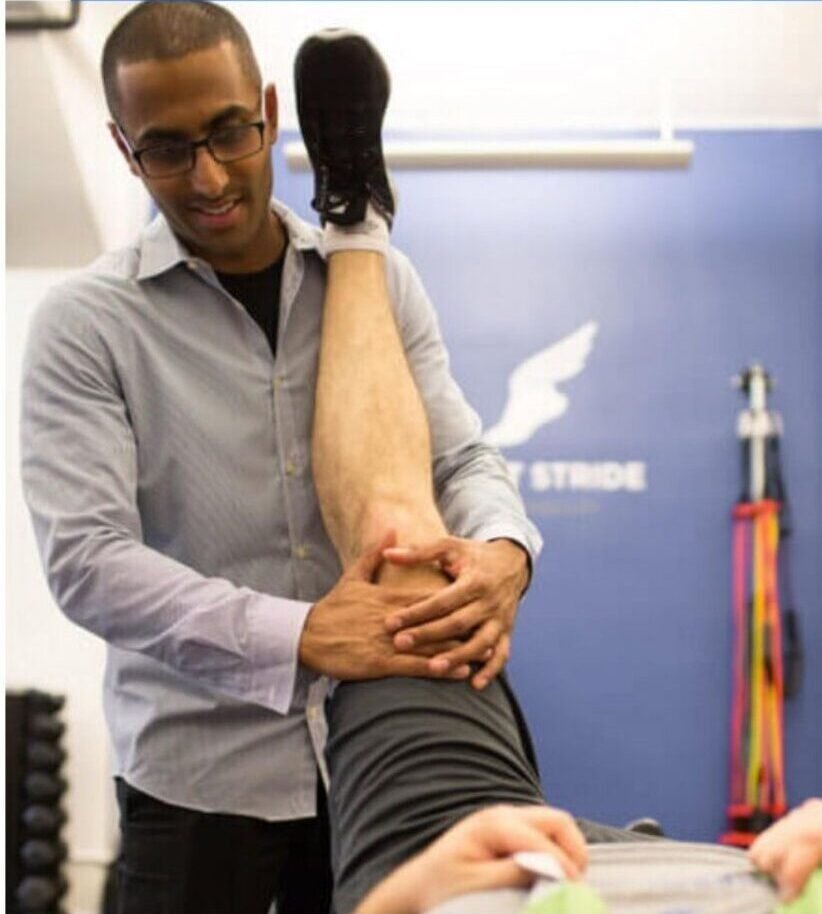
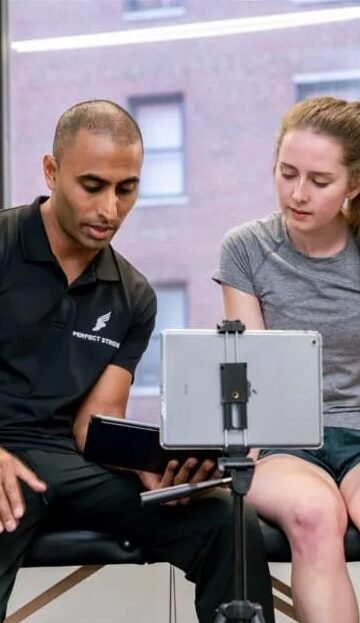
Your course of rehab after surgery will vary depending on the surgical procedure you had performed, your response to the surgery and your rehabilitation. However, your Physical Therapist at Perfect Stride will be working alongside you each step of the way. They will progress you accordingly and get you back to performing at your best.

output-onlinepngtools211

Some common post surgery physical therapy techniques we use include: 

We help clients recover from many other surgical procedures here at Perfect Stride. Get in touch to find out more.

Post Surgical Rehabilitation Benefits

INCREASES MOBILITY, STRENGTH & BALANCE

Surgery can result in limited mobility in the affected region or body part (as the body’s natural response is to protect the area of trauma). This can produce swelling, muscle/tissue tightness, spasms and limited range of motion. Physical therapy can help patients regain mobility through movement, strengthening exercises, manual therapy techniques and various modalities. It’s also worth noting exercises to strengthen and stabilize muscles in the surrounding regions can greatly improve recovery at the surgical site.
RELIEVES PAIN AND REDUCES SWELLING

Swelling post surgery is an expected part of the healing process and can vary greatly from person to person. Chemicals that stimulate nerve endings are released, and the excess inflammation compresses the nerves, creating pain. A reduction in swelling accelerates healing and improves mobility, both of which diminish overall pain. Movement and exercise as part of your rehabilitation program can help reduce swelling and prevent any pains from surgery becoming chronic.In sum, after surgery, physical therapy rehabilitation accelerates the healing process, and gives you insight on the best approach to self-care and a successful return to your daily activities.
REDUCES THE FORMATION OF SCAR TISSUE

Post injury or surgery, scar tissue commonly forms, and soft tissue typically contracts as part of the natural healing process. Surgery anywhere on the body can produce excess scar tissue reducing movement and function for months or longer after a procedure. A physical therapist can perform many types of tissue mobilization techniques, including Grassston (IASTM), floss bands, cupping, taping and various manual therapy techniques to restore joint mechanics, mobility and return patients to optimal functioning.

DECREASES THE POTENTIAL OF SECONDARY ISSUES

Blood clots, infection, and other debilitating secondary complications can occasionally occur after surgery. Your Doctor of Physical Therapy will tailor a plan of care for your unique situation and monitor your progress to greatly reduce the risk for infection, blood clot and contractures.

INCREASES FLEXIBILITY

Being inactive can lead to weakened muscles and increased stiffness, which can contribute to further injury. When muscles are restricted and joints are stiff, normal daily activities such as reaching overhead, climbing stairs and rising from a seated position can be severely affected. Among the first activities introduced after surgery are gentle mobility exercises designed to keep vulnerable muscles and joints mobile.

Post-Surgical Physical Therapy NYC Frequently Asked Questions

How soon after surgery should I begin physical therapy?
It depends on the type of surgery and your surgeon’s recommendation. In some cases, physical therapy begins within 1-2 days post-surgery to promote circulation, reduce swelling and prevent stiffness/increase mobility. We work closely with your surgeon to ensure the right timing and progression for your recovery.
What should I expect during my first post-surgical physical therapy session?
Your first session starts with a deep dive into you, your past history, your current status and your future goals. Since we work with you one-on-one, we truly listen to your full story so we have all of the information to provide the best possible care for you. Your first visit will also include a detailed assessment of your surgery, mobility, strength, stability, pain levels and current physical capacity. We’ll create a personalized plan tailored to your recovery. You’ll also get a chance to ask questions and understand how we’ll support you throughout your rehab journey.
Do I need a referral from my surgeon to start post-surgical physical therapy?
In New York State, you do not need a referral to begin physical therapy thanks to Direct Access laws. However, we’re happy to coordinate care with your surgeon if needed.
How long does post-surgical physical therapy usually last?
The length of your program varies greatly based on the type of surgery you hvae, your overall health, and your goals. Most clients see noticeable progress within the first few weeks, however, full return to function will depend on your specific surgical procedure. Your therapist will review the plan for your recovery journey with you so that you have a clear understanding of what to expect.
Will therapy be painful after surgery?
Some discomfort is expected in the early stages of rehab as a surgery is a major traumatic event, Some level of pain can be experienced when restoring motion or reducing scar tissue. However, your therapist will guide you through your appointment in a controlled, supportive environment to minimize pain and maximize function/performance.
Can physical therapy help me avoid taking pain medication?
Yes. A well-structured post-surgical PT plan can significantly reduce pain naturally through movement, manual therapy, and strengthening – helping many patients reduce or even eliminate the need for opioid medications early in the rehab process.

Pre Operative Physical Therapy Improves Recovery Following Many Surgical Procedures

Why pre-hab? Studies have shown that participating in physical therapy before surgery can help to mitigate muscle atrophy (loss of muscle size), improve post-surgical outcomes and even assist with returning to sport and prior level of function. Your physical therapist at Perfect Stride will also discuss what to expect immediately following surgery, and ways to help improve your recovery timeline. We also always talk about the “do’s” and “don’ts” following surgery.

Cart (0 items)